A Designer's Look at the 'Thank You for Helping Me Bloom' Embroidery File
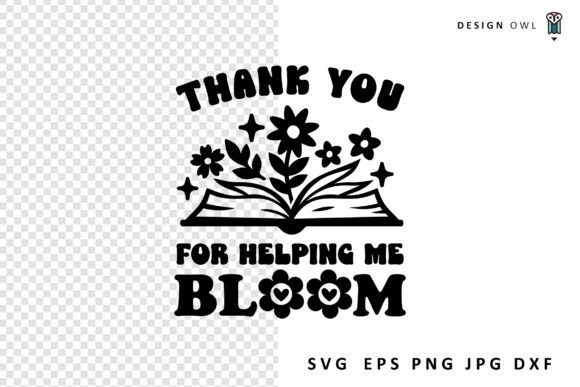
Whenever I’m considering a new embroidery design for a client project or my own shop, I look beyond the screen. I imagine it stitched out, on real fabric, held in someone’s hands. That’s exactly where I started with the Thank You for Helping Me Bloom SVG. This isn’t just a graphic; it’s a sentiment waiting to be made tactile. The mood it sets is immediately warm and grateful—a perfect blend of heartfelt message and gentle botanical charm. The layout, with its central floral theme and clean, cursive lettering, feels personal without being overly fussy. It tells me this design belongs on something meant to be kept, appreciated, and seen.
The Natural Habitat for This Blooming Thank You
In my mind, this design naturally finds its home on items that carry a personal touch. I pictured it first on a custom embroidered tote bag for a beloved teacher—the kind of gift that gets used daily and serves as a constant reminder of appreciation. But its application is broader. This would stitch out beautifully on a cozy sweatshirt for a mentor, a delicate pillow cover for a friend who provided support, or a crisp apron for a gardening coach. The design’s aesthetic lends itself to boutique products like embroidered tea towels or nursery decor for a caring grandmother. For small business owners and Etsy sellers, this file is a versatile asset for creating a line of heartfelt, giftable merchandise.
Visual Personality and Stitching Considerations
The design’s personality is soft and genuine. The floral elements aren’t overly detailed, which is a significant advantage for embroidery. It means cleaner stitch transitions and less risk of dense, stiff fill stitch areas that can distort on thinner fabrics. The lettering is clear and flowing, but note that the cursive nature and the phrase’s length require attention. On smaller items like caps or baby clothes, you’d need to carefully consider hoop size and placement to ensure “Thank You for Helping Me Bloom” remains legible and doesn’t become cramped. On a larger field, like a pillow cover or tote, it will shine.
Real-Life Embroidery Performance: Where It Thrives and Where to Tread Carefully
For custom apparel like t-shirts and sweatshirts, using a good stabilizer is key, especially on stretchy fabrics. The design’s positive, uplifting message increases the perceived value of a handmade product. For patches, it would make a beautiful, standalone token of gratitude. On dark fabric backgrounds, you’d need to plan thread color contrast thoughtfully—a pop of bright white or a pastle floral palette could be stunning.
There are places I’d use this design with a bit more caution. On highly textured fabrics like some blankets, the finer details of the flowers might get lost. Embroidering on curved surfaces like caps requires expert digitizing to avoid distortion; since this file comes in multiple formats like SVG and DXF, it’s adaptable, but always test first. The design’s appeal hinges on stitching clarity. If the small lettering or decorative accents are stitched too densely on a thin fabric, it could pucker, affecting both the handmade presentation and the product’s durability for frequent washing.
How This Design Impacts Your Craft Business
From a commercial perspective, the Thank You for Helping Me Bloom SVG offers strong giftability and recognition. A customer browsing an Etsy shop or craft fair table instantly understands the emotion behind a product featuring this embroidery. That connection drives engagement. For creative entrepreneurs, it can bolster brand consistency if your shop focuses on gratitude, growth, or supportive themes. Using it in printable mockups for digital product listings or as a physical product adds a layer of professionalism. It feels considered, not generic.
Practical Notes from the Embroidery Hoop
Before committing this to a client’s project or your best-selling tote, here are my grounded recommendations. Always test the design on scrap fabric first, ideally the same material you plan to use for the final product. This allows you to review stitch density, inspect how the small details render, and confirm your ideal hoop size. Check thread color contrast by running a simple black and white mockup in your software—it helps visualize the design’s balance on both light and dark backgrounds.
Since the product description notes it’s suitable for most software packages, including Photoshop, Illustrator, and Inkscape, you have flexibility for editing or integration. However, a crucial step is to confirm the licensing terms before selling any finished items or digital products derived from this file. The description doesn’t specify license details, so you must verify this for commercial use. This protects your business and customer trust.
Finally, think about the end user. An embroidered patch with this phrase on a jacket, or a baby blanket with it delicately stitched in the corner, tells a story. It transforms a digital embroidery file into a tangible piece of appreciation. That’s the real project use we’re after: creating something that feels as meaningful stitched as it looks on screen.