A Designer's Take on the School Subject Embroidery Design
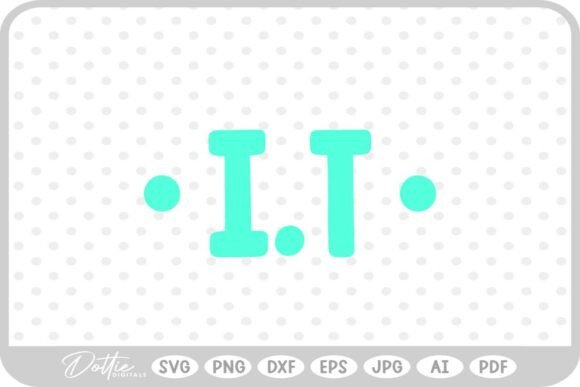
Let’s talk about this I.T School Subject SVG PNG DXF set from a maker's perspective. I’m looking at it not as a digital file listing, but as a potential embroidery design I might actually stitch onto something for a client or my own shop. The first impression is straightforward and clean. It’s got that classic, slightly nostalgic school theme—think report cards and lined paper—which creates a warm, familiar mood. The layout feels balanced, and the detail level looks manageable, which is a huge plus when you’re translating a digital graphic into physical stitches.
Where This Design Finds Its Home
This isn’t a flashy design, and that’s its strength. It naturally belongs to projects where clarity and a touch of personalization are key. I immediately pictured it on a custom embroidered tote bag for a teacher, or as a subtle accent on the sleeve of a sweatshirt for a student. It would work beautifully on a baby item like a onesie if you’re crafting for a little one starting preschool, or even as a neat patch on a backpack. For small business owners, this design slots perfectly into holiday gifts like personalized pillow covers or kitchen towels for a family. The theme is specific enough to be meaningful, but universal enough to appeal to a wide audience at a craft fair or in an Etsy listing.
The Real-Life Embroidery Scenario
Imagine you’re preparing a custom embroidered tote bag as a gift. You load this embroidery file, thinking about how it will look after stitching. The clean lines should translate well into satin stitches for the borders and fill stitches for the main elements. On a sturdy bag fabric, the design should hold its shape nicely, projecting a sense of quality. A customer receiving this isn’t just getting a bag; they’re getting a thoughtfully handmade product with a story. That directly boosts the perceived product value and builds customer trust. For an apparel decorator, stitching this onto a cap or the corner of a baby blanket could turn a simple item into a memorable personalized gift.
Practical Performance and Points of Caution
In real-life embroidery situations, performance hinges on preparation. On custom apparel like t-shirts, the design’s clarity is paramount. You’d want to test it on scrap fabric first, especially if using a stretch fabric or a dark fabric where thread color contrast needs extra attention. The availability of multiple file formats like SVG and DXF is helpful for creating printable mockups and working with various software, but for machine embroidery, you must always confirm the specific hoop size and compatibility with your machine before starting.
There are places to use this design carefully. If there are tiny lettering elements, they might get lost on very textured fabrics or in very small hoop sizes. On curved surfaces like caps, you’d need to review the stitch density to ensure it doesn’t pucker. For products destined for frequent washing, like tea towels, using proper stabilizer is non-negotiable to maintain the design’s integrity. These considerations aren’t flaws of the design; they’re just the reality of turning any good digital embroidery file into a durable finished product.
How It Lifts Your Craft Business
From a commercial standpoint, this I.T School Subject SVG PNG DXF set affects more than just stitching. For creative entrepreneurs, it offers a cohesive design asset that can enhance brand consistency if you specialize in scholastic or gift items. A well-embroidered piece using this design presents a professional finish that increases buyer engagement in your small shop product photos. Its giftability and instant recognition make it an easy sell. For digital product sellers, these formats allow for creating clean previews, but always confirm licensing before selling finished items or digital products derived from it.
Essential Designer Notes Before You Stitch
Before you commit this to a client’s sweatshirt or your next batch of craft business items, run through a quick checklist. Always test the design on scrap fabric first with your chosen thread colors. Inspect the small details in the file to ensure they’ll translate clearly in stitches. It’s wise to test it in black and white mockups to see how it reads without color. Compare how it looks on light and dark fabric backgrounds—sometimes a slight adjustment in thread choice makes all the difference. And finally, check whether the design works for both personal and commercial embroidery projects according to its license. This due diligence turns a good embroidery project into a great one.
In the end, this design from the Graphics and Crafts world feels like a reliable, versatile tool. It won’t do the work for you, but with proper technique, it provides a solid foundation for creating embroidered items that look intentional, crafted, and genuinely appealing. That’s the practical judgment any designer wants before loading a file and starting the machine.