A Designer’s Real-World Review of History School Subject SVG PNG DXF
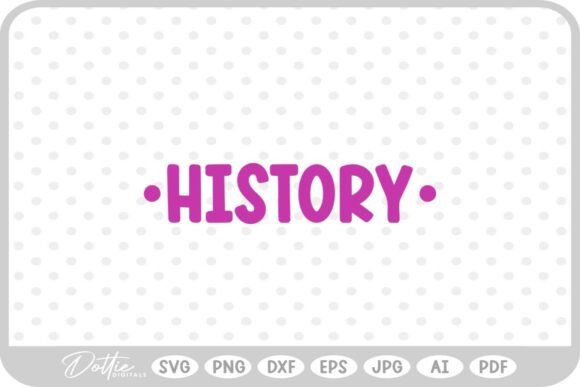
Every time I open a new design file with a theme like “history,” my first thought is about mood. This isn't just a graphic; it’s a starting point for a story stitched into fabric. The History School Subject SVG PNG DXF set immediately strikes me as clean, classic, and quietly confident. The layout feels balanced, with a straightforward focus on the subject itself. There’s a visual personality here that leans more toward timeless recognition than playful whimsy, which tells me exactly where this embroidery design belongs.
The Natural Home for This Design: Apparel and Gifts with Purpose
Picture a custom sweatshirt for a favorite teacher, a tote bag for a history major, or a thoughtful pillow cover for a bibliophile’s reading nook. This design isn’t shouting for attention; it’s asserting a quiet identity. In my practice, that makes it perfect for personalized gifts and boutique merchandise where the recipient already loves the theme. I imagine it embroidered on a dark cotton twill cap, the clean lines of the subject standing out with crisp satin stitch borders. It would also work beautifully as a subtle accent on a kitchen towel or apron in a heritage-style kitchen—a small, well-executed detail that adds character without overwhelming the item.
Performance on Real Products: Where Stitching Clarity Matters
When I evaluate an embroidery file for real projects, I think through the stitch-out. For a design like this, the clarity of the shapes is paramount. On a light-colored sweatshirt, using a slightly contrasting thread palette—perhaps deep blues and burgundies—would make the fill stitches look rich and full. On a baby item, like a blanket or romper, simplifying the color count to two or three tones would keep it sweet and durable. The true test, however, is on textured fabrics like a canvas tote bag. Here, the stitch density needs to be sufficient to prevent the background fabric from peeking through in the filled areas, ensuring the design looks professional and complete.
As a small business owner selling handmade products, I also consider how this design translates into value. A neatly embroidered patch featuring this history theme, applied to a backpack or jacket, feels intentional and high-quality. That builds customer trust. For an Etsy seller offering custom apparel, using this design in printable mockups for listings shows a clear, professional design asset, which directly boosts buyer engagement. It signals that you’re offering a finished product with thought behind it.
Caution Areas: Navigating Fabric and Scale Challenges
No design is universally perfect, and a practical review must highlight where to proceed carefully. With any design containing potentially small lettering or detailed corners—common in school subject themes—hoop size becomes critical. Embroidering this on a very small scale, say on a delicate cuff or a thin, stretchy fabric like a jersey knit, could lead to lost detail. The stitches might bunch up, making tiny elements unclear.
Dark fabric is another consideration. If the design uses internal details that rely on negative space, you must ensure your thread color choices provide enough contrast. A single dark thread on a black garment might render the design invisible. Similarly, on curved surfaces like caps, the perspective can distort simpler shapes; testing on scrap fabric first is non-negotiable. For products destined for frequent washing, such as aprons or tea towels, reviewing the stitch density and using proper stabilizer is key to prevent premature puckering or thread wear.
How This Design Shapes Perception and Professionalism
Beyond the technical, how does this embroidery file affect the final product's feel? When I use a well-crafted design like this, the result conveys brand consistency. If my shop specializes in scholarly or giftable items, this history theme reinforces that niche. For a creative entrepreneur, it offers a ready-made, commercial embroidery design that can be adapted across product lines—from holiday gifts for graduates to wedding gifts for the academic couple. The recognition factor is high; people understand the theme immediately, which enhances the giftability and the handmade presentation.
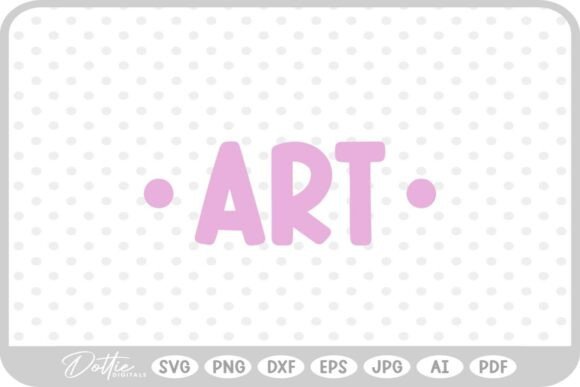
It encourages a professional outcome because the source files are provided in multiple formats, including SVG, PNG, DXF, AI, JPG and PDF. This flexibility means I can easily prepare it for my embroidery machine, create digital product previews, or even adapt it for applique techniques. That’s a significant practical advantage.
Essential Designer Notes Before You Stitch
Before I commit this design to a client’s project or my own craft business inventory, my checklist is straightforward. First, I always test the embroidery design on scrap fabric that matches my final product’s texture and color. This reveals any issues with thread color contrast or stitch clarity. I inspect the small details in the file to ensure they will translate cleanly at my intended hoop size.
I run mental comparisons: how will it look on both light and dark fabric backgrounds? I confirm the licensing terms for the digital embroidery file—a must before selling finished items or digital products—to ensure my use, whether personal or commercial, is fully covered. The product description notes the files are crafted for use with Cricut, Silhouette, and other cutting machines, which suggests versatility, but for machine embroidery, I double-check my specific file compatibility and settings.
Finally, I consider the end-user. If I’m embroidering this on a tote bag for a small shop, will the design withstand use and look appealing from a distance? If it’s for a baby item, is it soft and safe with no overly dense, stiff stitch areas? These realistic questions turn a good graphics file into a great finished product.
In the hands of a thoughtful maker, the History School Subject SVG PNG DXF set becomes more than a Crafts graphic. It becomes the centerpiece of a meaningful, durable, and beautifully executed embroidery project. Its value lies in its adaptability and its clear, classic voice—a voice that speaks directly to those who appreciate the stories woven into our past, and now, stitched into our present.