A Librarian's Heart: Crafting Character with Embroidery
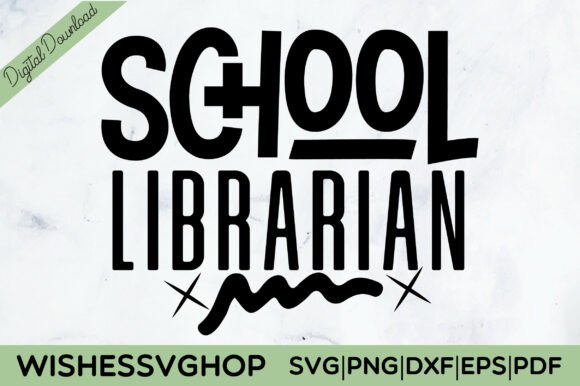
When you first open the School Librarian SVG PNG file, the feeling is immediate and warm. This isn't just a graphic; it's a character. The design captures that gentle, book-loving essence in a way that feels instantly familiar and deeply appreciative. As a designer who regularly translates digital files into physical, stitched art, my first thought is about mood. This design creates a specific, affectionate mood. It's perfect for projects that celebrate educators, commemorate a special role, or simply express a love for libraries.
Where This Design Finds Its Home
In practical terms, this design naturally belongs to a specific family of projects. Imagine a custom tote bag for a retiring librarian, a commemorative sweatshirt for a school library volunteer, or a sweet, personalized pillow cover for a teacher's reading nook. It has the personality for boutique merchandise—think a small shop selling educator-themed apparel or a craft fair booth with unique, heartfelt gifts. The thematic clarity makes it an excellent choice for personalized products, where the recipient's identity is woven directly into the gift.
I recently used a similar thematic design for a client's project: a set of embroidered tea towels as a holiday gift for a school staff. The visual recognition and emotional resonance were the keys to its success. This School Librarian design has that same potential. It’s not a generic shape; it’s a recognizable symbol that tells a story. That story translates directly into product value and customer engagement. When a buyer sees a finished product with this embroidery, they immediately understand its meaning, which builds trust in your craftsmanship.
The Stitching Reality: From Screen to Fabric
Moving from the digital preview to the actual embroidery machine is the critical test. With an SVG file, the vector nature is a benefit for scaling, but the embroidery conversion is what matters. The design's layout, with its likely combination of elements—perhaps a figure, books, or text—will determine the stitch outcome. Areas with fine details or small lettering need particular attention. On a textured fabric like a knit sweatshirt, a dense fill stitch in a large area might require careful stabilizer choice to prevent puckering. On a smooth tote bag cotton, it could lay down beautifully.
For a project like an embroidered patch or a cap, the curved surface and smaller hoop size would require checking how those details condense. Would tiny decorative elements, if present, remain clear, or would they blur into a thick satin stitch? This is where a designer's practical judgment comes in. Always test on scrap fabric first, ideally a piece similar to your final product fabric. Check the thread color contrast, especially if you plan to stitch on dark fabric. A white or light-colored test on a dark background, and a dark-colored test on a light background, will reveal the design's true clarity.
Handling the Delicate Parts
Any design with character has potential delicate parts. Think about the corners of a book outline or the thin lines of a glasses frame. In embroidery, these areas can become challenging if the stitch path is too complex for the chosen scale. For a baby item or a delicate kitchen towel, you might want a simpler, more open stitch effect, so reviewing the stitch density after conversion is key. The goal is to maintain that friendly, detailed personality without overwhelming the fabric, especially on lightweight or stretchy materials.
Also, consider products that need frequent washing, like aprons or baby clothes. A design with very high stitch density in a concentrated area might wear differently than a more dispersed pattern. A balanced design, where the elements are well-spaced, often fares better over time and maintains that professional, handmade presentation through many uses.
Building Your Project Around the Design
For creative entrepreneurs and small business owners, this design is a solid design asset. Its clear theme makes it excellent for building a cohesive product line. You could offer a librarian-themed collection: tote, sweatshirt, and pillow cover. For your Etsy listings or printable mockups, the design’s strong visual identity helps it stand out. It speaks directly to a niche audience—educators, book lovers, school communities—which is a powerful tool for engagement.
When planning commercial embroidery projects or selling finished items, the foundational step is always confirming the licensing terms. The product description notes it's an instant download file, but the specifics for commercial use need to be clear from the seller. Always verify this before selling any physical product or using the design in client work. This protects your business and respects the digital product creator.
A Final Note from the Hoop
Ultimately, the School Librarian SVG PNG feels like a design with heart. Its success in real projects hinges on treating it as a character to be embroidered, not just a file to be run. Match it with the right fabric, the right product type, and the right intention. Use it where its story will be appreciated—on a gift that honors a profession, on merchandise that celebrates a passion, or on a personal project that simply makes someone smile. That’s where digital graphics truly become crafted, enduring pieces.