A Practical Review of the Drama School Embroidery Design
First Impressions: Theatrical Charm Meets Craftsmanship
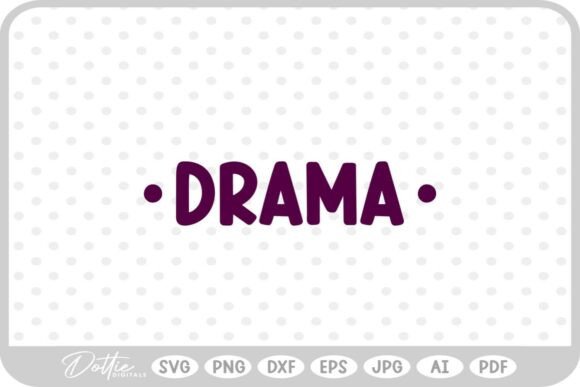
When I first opened the Drama School Subject SVG PNG DXF design file, I was struck by its clean, classic appeal. It’s not just a graphic; it feels like a badge of honor. The layout is balanced, with clear, well-defined shapes that promise to translate beautifully into stitches. This isn’t a flashy, over-detailed piece. Its personality is confident and academic, evoking a sense of tradition and passion for the craft of theatre itself. Immediately, I thought of embroidered patches for a drama club, or a clean, crisp custom apparel logo for a school production.
The Perfect Projects: Where This Design Truly Shines
In my workshop, I envision this design excelling on several fronts. Its clear lettering and iconic symbols make it a prime candidate for a durable, felt-backed embroidered patch. Stitched onto a denim jacket or a canvas backpack, it would look both official and stylish. For personalized gifts, I’d lean towards a tote bag design for a dedicated theatre student or a pillow cover for a drama teacher’s lounge. The design carries enough weight to feel meaningful but isn’t so ornate that it becomes difficult to produce.
For small business merchandise or Etsy listings, this file is a solid design asset. Imagine it on a high-quality cotton sweatshirt embroidery sold to local theatre groups, or neatly stitched onto the corner of a tea towel as a quirky kitchen gift for a stage manager. The provided multi-format bundle (SVG, PNG, DXF, AI, JPG and PDF) is crucial here, allowing for easy scaling and adaptation for printable mockups and digital previews before any thread is ever loaded.
A Real Scenario: Crafting a Boutique Tote for a Leading Lady
Let’s walk through a real case. A client requests a custom tote for a retiring drama director. I choose a sturdy, natural canvas. The Drama School Subject SVG PNG DXF design, with its central motif, is perfect—it’s recognisable but not childish. I plan to use a crisp satin stitch for the lettering and a textured fill stitch for the shield-like background. On a dark bag, I’ll opt for bright, contrasting threads; on a light one, a classic navy or burgundy. The design’s clarity will ensure the final product feels professional and heartfelt, elevating it from a simple bag to a cherished holiday embroidery gift. This is where design quality directly impacts customer trust and perceived product value.
Careful Application: Navigating Potential Pitfalls
No design is universally perfect, and a practical review must note where caution is needed. The clean lines of this design are a strength, but on very small hoop sizes, some of the finer lettering details might become challenging. I would avoid using it on highly textured fabrics like loose knits or stretchy fabric without rigorous stabilizer testing, as the shapes could distort.
Dark fabric backgrounds require thoughtful thread color selection to maintain stitching clarity. Also, applying it to curved surfaces like caps means paying extra attention to the layout during digitization to prevent puckering on the crown. The design isn’t overly dense, which is good, but on tiny lettering areas, I’d recommend checking the stitch density in your software to ensure clean edges without thread buildup. For products that need frequent washing, like baby clothes or kitchen linens, a simpler, less detailed version might be more durable, though this design could work well as an applique design to reduce stitch count.
Visual Appeal and Commercial Sense
From a business perspective, this design boosts handmade presentation. It looks intentional and well-made, which supports brand consistency for a crafter focusing on academic or hobby-themed products. Its subject matter has a built-in audience, leading to better buyer engagement in niches like school clubs or theatre memorabilia. For commercial embroidery projects, such as bulk orders for a drama conference, its straightforward aesthetic ensures quick production and consistent results, which is key for professionalism.
Essential Designer Notes Before You Hoop
Before committing this design to a final project, my routine is always the same. Test the design on scrap fabric first, using the same material and weight as your final product. This reveals how it behaves. Check thread color contrast against both light and dark backgrounds—sometimes a mockup looks different stitched. Review stitch density in your embroidery file to ensure it’s suitable for your chosen fabric; a dense fill on a thin cotton will show through.
Always confirm hoop size compatibility and inspect small details like the corners of the shield or the thin lines of the masks. I often test it in black and white mockups to purely evaluate form and balance. Use proper stabilizer; it’s non-negotiable for maintaining crispness. Crucially, since this is a digital embroidery file sold as a Crafts and Graphics product, you must check whether the design works for both personal and commercial projects and confirm licensing before selling finished items or digital products. The description mentions it’s crafted for cutting machines, so for embroidery, ensure your digitization software handles the provided formats cleanly.
Final Judgment: A Reliable Asset for The Right Maker
The Drama School Subject SVG PNG DXF design is a thoughtful, usable file. It won’t solve every project need, but for its intended theme, it’s a robust tool. It creates a mood of pride and tradition, and when stitched with care on appropriate items, it delivers a clean, recognisable result that feels both handmade and professional. It’s best suited for makers targeting a niche audience—the Etsy seller offering club merchandise, the apparel decorator fulfilling team orders, or the creative entrepreneur building a line of hobby-themed gifts. Approach it with practical preparation, respect the licensing, and it will become a dependable part of your embroidery project repertoire, helping you turn a digital file into a finished product that truly resonates.