A Tiger Mascot SVG Review from an Embroidery Designer
I’ve been designing and reviewing embroidery files for years, and I often get asked which designs translate well from digital screen to stitched fabric. Today, I’m looking at the Tiger Mascot SVG, Tiger Head. It’s a design I considered for a recent client project—a set of custom embroidered tote bags for a school’s fundraising boutique. Let’s walk through what makes this graphic work, where it shines, and what you need to think about before hitting ‘start’ on your machine.
The First Stitch Impression: Bold Personality
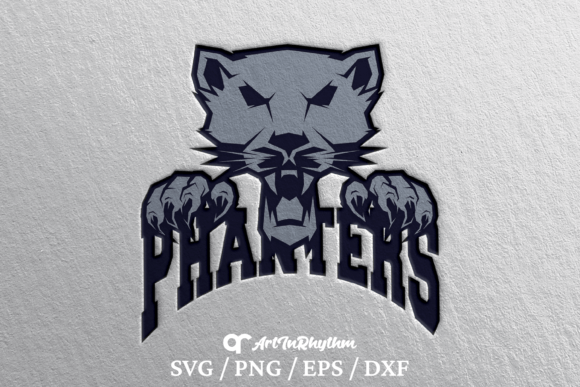
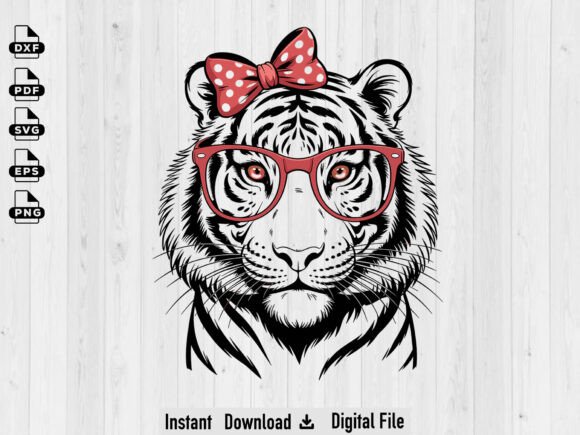
The first thing you notice about this tiger head design is its clear, mascot-style personality. It’s not a hyper-realistic wildlife portrait; it’s a stylized, bold graphic with a friendly, approachable wildness. That’s a huge plus for embroidery. Complex, overly detailed designs can become muddy in stitch form, but this one has a strong shape and defined areas. The mood is spirited, team-oriented, and a bit playful—perfect for school spirit projects, youth apparel, or any product where you want a bold statement without aggression.
Where This Design Naturally Belongs
This tiger mascot SVG feels destined for projects where identity and celebration are key. Think custom apparel: sweatshirts for a sports team, t-shirts for a zoo-themed event, or caps for a club. It would be a fantastic centerpiece on an embroidered patch. I also immediately pictured it on a child’s blanket or a nursery decor pillow—the ‘girly clipart’ hint in the description suggests a softer color palette could work beautifully for baby embroidery. For small business merchandise, this design could become a signature logo for a boutique selling wild animal-themed products, tote bags, or kitchen towels.
Performance in Real Embroidery Situations
So, how does this tiger head perform when you move from the preview to the hoop? For most standard projects, it should stitch out cleanly. The bold outlines and larger filled areas (like the face) are forgiving. On a mid-weight cotton tote bag or a fleece sweatshirt, with proper stabilizer, you’ll get a crisp, professional-looking result that adds significant value to the finished product. This clarity builds customer trust—they see a clean, intentional handmade presentation.
For commercial embroidery projects, like producing a batch of team logos for a local school, this design’s strong visual appeal aids recognition and brand consistency. It’s also highly giftable; a personalized hoodie with this emblem feels like a thoughtful, spirited gift. When creating printable mockups for your Etsy listings or digital product previews, this graphic’s clear shapes will show up well, engaging potential buyers.
Caution Zones: Where to Test First
Every design has its tricky spots, and for a mascot-style SVG, it’s often the smaller decorative accents and any potential tiny detailing. Without seeing the exact file, I always advise a careful approach on certain surfaces.
- Small Hoop Sizes: If you’re trying to miniaturize this for a baby bib corner or a hat side panel, test on scrap fabric first. Smaller hoop sizes might compress details.
- Textured or Stretch Fabrics: Stitching on a textured knit sweater or a stretchy performance fabric could distort the clean lines. A sturdy stabilizer is non-negotiable here.
- Dark Fabric: The design’s appeal depends on contrast. On dark fabric, your thread color choice is critical. Test in black and white mockups mentally before committing.
- Curved Surfaces: Embroidering this on a curved cap brim requires careful hooping and possibly adjusting stitch density to prevent puckering.
- Products for Frequent Washing: If this is for a kitchen towel or frequently laundered apparel, consider a slightly denser fill stitch for durability, but beware of making the area too stiff.
Practical Designer Notes Before You Start
Before you load this tiger mascot SVG into your machine for a real project, here’s my checklist.
- Always Test on Scrap Fabric: Use a piece of the exact material you plan to use. It reveals everything about stitch density, thread tension, and detail clarity.
- Check Thread Color Contrast: Plan your palette against your fabric background. A vibrant design can get lost on a similarly bright fabric.
- Review the File in Your Software: Zoom in. Inspect small details, corners, and any potential lettering included. Confirm it’s suitable for your intended hoop size.
- Consider Stabilizer Type: Different fabrics demand different stabilizers. This isn’t a guess; it’s a necessity for professional results.
- Licensing for Commercial Use: The description mentions it’s a digital download for Cricut projects and team logos. However, always confirm the specific licensing terms before selling finished items or using it in commercial embroidery projects for clients. This protects your craft business.
The Final Verdict on Project Fit
This Tiger Mascot SVG, Tiger Head, is a strong, versatile graphic asset for embroidery designers and makers. Its bold, friendly personality makes it a reliable choice for projects where spirit and identity are front and center. It elevates the perceived value of custom apparel, handmade gifts, and small shop merchandise. However, its success hinges on your practical preparation—testing, stabilizing, and choosing the right project canvas. Don’t use it blindly on a delicate, thin fabric hoping for a heavyweight result. Match its boldness with a suitable, stable medium, and you’ll have an embroidered product that looks professional, engages customers, and feels perfectly stitched.