Evaluating a Positive Mindset Design for Embroidery
A Design That Radiates Before You Even Stitch It
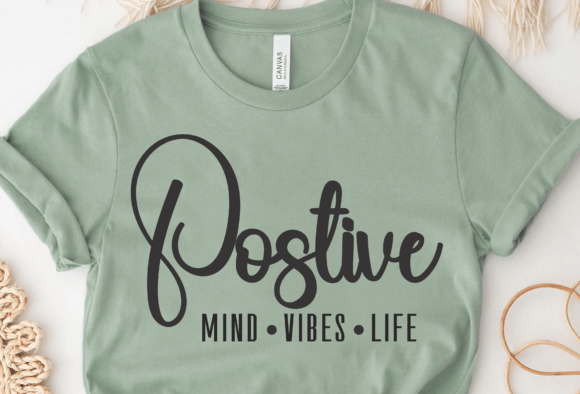
When I first opened the Positive Mind Positive Vibes Life SVG, I felt a quiet smile. It’s one of those designs that hits you with its mood immediately—uplifting, clean, and genuinely warm. This isn't a loud, graphic shout; it’s a gentle, confident reminder. The layout feels balanced, with the typography flowing in a way that suggests a breath of calm. The detail level is thoughtful, avoiding overly sharp corners or tiny decorative flourishes that can turn into a nightmare in satin stitch. My first instinct was that this belongs on something worn or used daily—a piece that carries the message into someone’s routine.
Where This Design Finds Its Natural Home
As an embroidery designer, my mind maps a design to its potential life on fabric. For this one, I immediately envisioned a cozy, washed-cotton sweatshirt or a sturdy canvas tote bag. These are items where the message becomes part of the user’s personal space. I also pictured it stitched neatly onto a kitchen towel or a linen pillow cover for a home boutique product—it has that giftable, inspirational quality that feels personal without being intrusive. For small business owners, especially those selling on Etsy or at craft fairs, this design could anchor a lovely line of motivational apparel or personalized wellness gifts. The theme is universal enough to resonate, yet the execution is specific enough to feel designed, not generic.
Thinking Through the Real Stitch: Practical Performance
Let’s walk through a real scenario. Say you’re preparing a custom embroidered tote for a client who requested something uplifting. You’ve chosen a natural canvas fabric. How will Positive Mind Positive Vibes Life SVG perform? The clean lines and open lettering are a major advantage. On a textured fabric like canvas, intricate fill stitches can get lost, but here, the design relies on clear shapes and letters. If you’re using a satin stitch for the main elements, the moderate detail level suggests it will maintain clarity without requiring excessive stitch density, which is good for fabric integrity and your thread budget.
On the flip side, this is a design where color contrast is paramount. Stitching it on a dark fabric? You’ll need to plan your thread colors carefully to ensure the positive message doesn’t visually fade. A light, bright thread on a navy sweatshirt would pop beautifully. On baby clothes or softer items, using a running stitch for finer details might be a better choice to keep the embroidery lightweight and comfortable.
Caution Zones for the Practical Maker
While the design feels adaptable, there are always considerations. The word “Life” in the design, depending on the specific file rendering, could have smaller lettering. On a curved surface like a cap, those smaller letters might require a smaller hoop size and very precise stabilizer to prevent distortion. Similarly, if you’re thinking of a tiny patch or a detail on a layered garment like a jacket collar, you must test the scaling first. This design’s strength is its message and composition, which can weaken if shrunk too much where the text becomes cramped and unreadable.
For products destined for frequent washing—think aprons or everyday tea towels—you’ll want to test the stitch density on your chosen fabric. A too-dense stitch area on thin cotton can pucker or wear faster. The good news is that the design doesn’t appear overly dense by nature, but always, test on scrap fabric first. This simple step saves so much heartache with finished products.
The Impact on Your Craft Business and Customer Trust
Using a design like this isn’t just about the stitch; it’s about the final product’s story. When a customer sees this embroidery on a handmade item, it communicates care. The clean execution supports a professional look, which builds customer trust. For a creative entrepreneur, it can become a consistent element in your brand—offering a range of products centered on positive messaging. That consistency turns a single embroidery file into a valuable design asset.
From a commercial embroidery perspective, say for a small shop producing merchandise, this design offers high giftability. It’s recognizable and emotionally engaging, which can directly affect buyer engagement in your online listings or booth display. Pairing the finished embroidery with good product photos, perhaps using the included PNG for printable mockups, creates a compelling presentation.
Essential Designer Notes Before You Hoop Up
My final practical advice for using Positive Mind Positive Vibes Life SVG in your projects:
- Always check the actual file formats provided—SVG, PNG, EPS, DXF—for compatibility with your specific software and embroidery machine before starting.
- Run a test stitch in both black and white thread on light and dark fabric scraps to judge contrast and thread color needs.
- Inspect the digital file closely for any potentially troublesome tiny details or corners that might need slight adjustment for your machine.
- Confirm the licensing terms explicitly. Can it be used for commercial projects, like selling the embroidered tote bags or sweatshirts? Never assume; always verify.
- Consider the fabric texture. This design will likely shine on mid-weight cottons, canvases, and stable knits. Be cautious with very stretchy or sheer fabrics.
- Use appropriate stabilizer for your chosen fabric to maintain the design’s clean lines and prevent puckering, especially on apparel.
Approaching a design with this level of practical scrutiny transforms it from a digital graphic into a reliable partner for your embroidery project. The Positive Mind Positive Vibes Life SVG, with its inherently uplifting and clean character, has the potential to become a staple in your workflow for creating meaningful handmade products and personalized gifts that truly resonate.