Evaluating a Preschool Graduate Design for Embroidery Projects
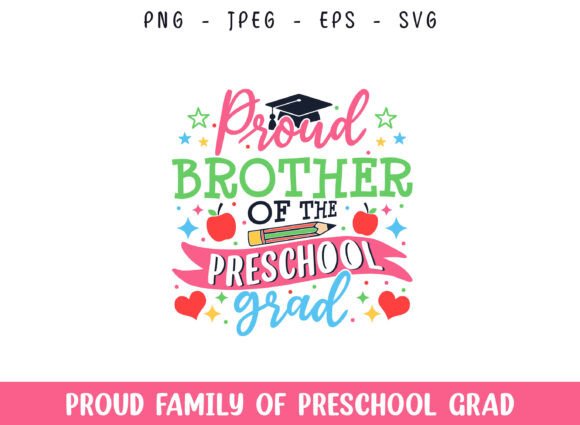
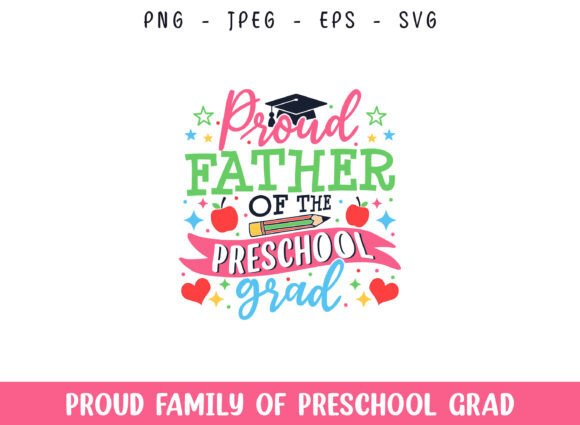
When a design file like the Proud Father of the Preschool Grad SVG lands on my desk, my first task is to look past the digital preview and imagine it stitched onto fabric. This particular theme carries an immediate warmth. The layout and the subject matter evoke a celebratory, family-focused mood. It feels less like a generic graphic and more like a personal milestone marker, which is exactly the kind of visual personality that resonates in handmade goods.
Where This Design Finds Its True Home
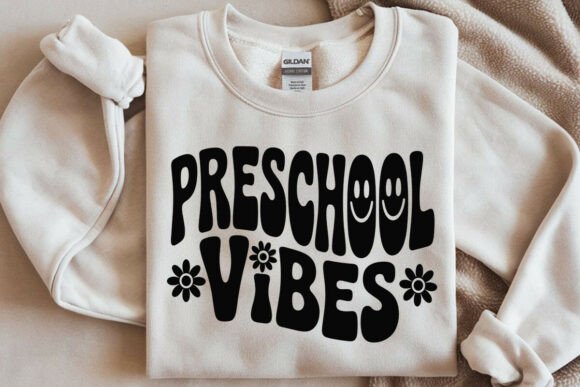
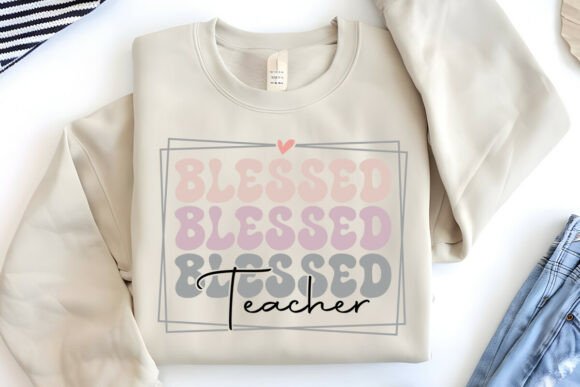
This isn’t a design I'd throw onto any random product. Its natural home is in personalized, commemorative items. I immediately picture it on the front of a cozy, premium sweatshirt for a proud dad, or as a centered motif on a canvas tote bag meant to carry a preschooler’s treasures. It speaks directly to a moment, making it perfect for custom apparel meant as a gift.
Imagine a client order for a set of matching father-and-child embroidered pillow covers for a nursery. Or a small boutique wanting to create a limited-run line of baby blankets celebrating "first graduations." The design’s inherent sentiment drives its application. For crafters and Etsy sellers, this translates into products with high giftability and emotional connection, which often means better customer engagement and fewer generic inquiries.
Performance on Real Fabrics and Products
My practical evaluation always considers how a design will behave once it’s running through an embroidery machine. The description notes it’s made from vector shapes and re-sizeable, which is crucial. For a typical project like a embroidered patch or a cap, I can adjust the scale without losing integrity. However, the devil is in the details.
On a textured fabric like a waffle-knit sweatshirt, the clean lines and any potential small lettering in the design will need careful attention. Stitch density and proper stabilizer become non-negotiable to prevent puckering. On a smooth cotton tote bag, it will likely perform beautifully, with satin stitches for borders and fill stitches for solid areas coming out crisp.
The mention of easy color change for dark or white backgrounds is a significant practical advantage. This flexibility allows the same embroidery file to be used for a black polo shirt and a white kitchen towel, expanding its utility for small businesses without needing separate design edits.
Caution Zones and Considerations
Not every product is an ideal canvas. For the Proud Father of the Preschool Grad SVG, I’d proceed cautiously on very small hoop sizes. If scaled down excessively for a baby’s beanie or a tiny pocket on a shirt, the clarity of the elements might be lost. Similarly, stretchy fabrics or thin, delicate materials require a tested approach to prevent distortion.
Dark fabric application, while possible, demands a thoughtful thread color strategy. High-contrast, bright threads will be essential to maintain visual pop. Before running the final project, I always test on scrap fabric first, comparing both light and dark backgrounds to see how the color palette translates under the needle. This step saves costly mistakes and builds trust in the final product's quality.
How It Lifts Your Product's Value
From a professional standpoint, a well-executed embroidery of this theme does more than decorate a surface. It enhances the perceived value of the entire item. A clean, emotionally appropriate design on a handmade product signals care and professionalism. For a creative entrepreneur, this builds brand consistency—your items look intentional and well-crafted.
When a customer sees this on a custom apparel item in your Etsy listing or at a craft fair, they recognize a specific occasion. That recognition drives purchase decisions. It moves the item from being just another decorated sweatshirt to being the perfect gift for a preschool graduation. That’s a powerful shift.
Essential Notes Before You Stitch
My final advice before you load this machine embroidery design is always procedural. First, confirm the licensing for your intended use. Are you making a one-off gift, or are you producing items for commercial sale in your small shop? The description doesn’t specify, so verifying this is paramount.
Next, inspect the file’s small details in your software. Even with 100 vector shapes, check for any intricate corners or potential overlaps that might cause hiccups in stitching. Use printable mockups or digital previews on different product images to visualize the final outcome, but remember that a screen preview is different than threaded fabric.
Finally, match your materials to the occasion. A higher-quality cotton shirt or a sturdy apron will carry this embroidery project better than a flimsy tee, aligning the product’s longevity with the lasting memory the design celebrates. This attention to detail is what separates a hobbyist project from a finished product that truly delights a customer and supports a thriving craft business.