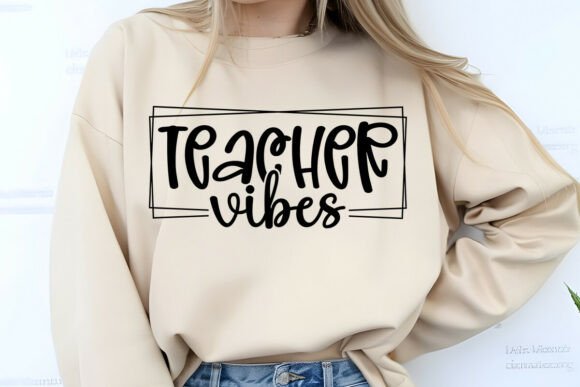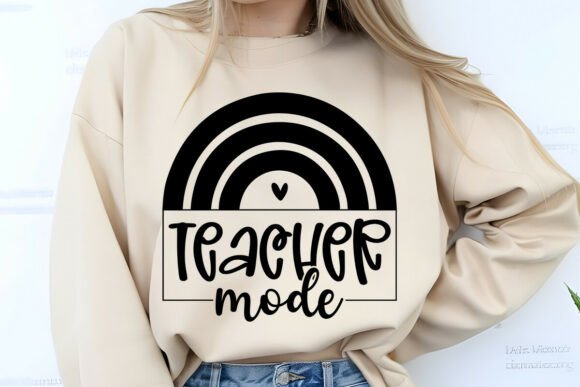
Evaluating Retro Teacher Mode SVG for Real Embroidery Projects
A First Impression That’s Warm, Familiar, and Full of Personality
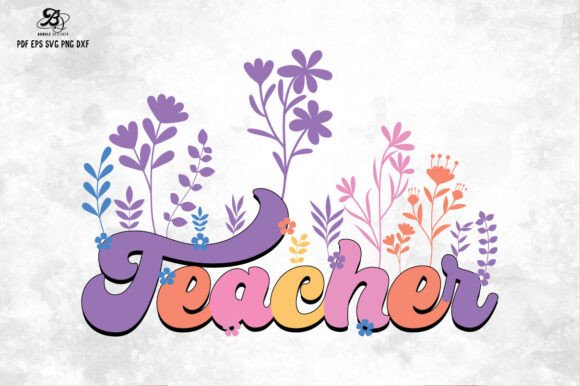
When I first opened the Retro Teacher Mode SVG file, I felt an immediate smile. The design carries a warm, familiar mood—a charming nod to classic classroom aesthetics without feeling overly kitschy. The composition is balanced, with a clear central focus and decorative elements that feel thoughtfully placed rather than crowded. This visual personality is its strongest asset; it doesn’t shout, but it warmly invites a look. For an embroidery designer, this tells me the design belongs to projects meant to evoke affection and recognition: a personalized gift for a beloved educator, a cozy item for a teacher’s lounge, or nostalgic merchandise for a small shop celebrating that special profession.
Where This Design Shines in Real-World Use
In practical terms, I envision this machine embroidery design performing beautifully on a range of items. Let’s walk through a real scenario: I’m preparing a custom embroidered tote bag as a holiday gift for a retiring teacher. The retro theme suggests a natural fit on canvas or heavy cotton—the fabric’s structure will support the design’s likely shapes well. On a sweatshirt or apron, it would become a statement piece of appreciation. For a baby item like a blanket or nursery decor celebrating a teacher-parent, the gentle theme adds a sweet personal touch. As an embroidered patch, it could be applied to a cap or backpack, offering versatility. For small business merchandise or Etsy listings, this design translates into products with clear storytelling value, appealing directly to a community that holds teachers in high regard.
The Practical Considerations: Fabric, Size, and Stitching Clarity
Success with any embroidery file hinges on understanding its practical demands. For Retro Teacher Mode SVG, I’m thinking about stitch density and detail level. Based on its graphical style, I’d anticipate areas that might use satin stitch for bold outlines and fill stitch for larger areas. This means it will likely look best on stable fabrics. I’d approach textured fabrics, very stretchy materials, or thin fabrics with caution—a good stabilizer is non-negotiable here. On curved surfaces like caps, the design’s layout would need careful positioning to ensure it sits flat and reads clearly.
Small details are another key point. If the design includes tiny lettering or intricate decorative accents, you’ll want to test it at your intended size first. Embroidering it too small on a baby embroidery item could lose clarity. For dark fabric backgrounds, planning thread color contrast is essential to maintain that warm, retro feel—bright creams, soft yellows, or classic reds might be good starting points. Always run a test on scrap fabric matching your final project’s texture. This step protects your final product’s quality and your client’s satisfaction.
Where to Use This Design Carefully
While the design is versatile, some applications require extra forethought. If you’re working with very small hoop sizes, perhaps for a delicate tea towel corner, ensure the design’s scale remains legible. Products that need frequent washing, like kitchen towels or everyday apparel, benefit from a robust stitch construction—again, testing reveals durability. For commercial embroidery projects where speed and consistency matter, assess how the design runs on your machine; a smooth, clean stitch-out enhances professionalism and buyer trust.
How This Embroidery File Elevates Your Finished Product
Beyond the stitch-out, Retro Teacher Mode SVG affects the perceived value of your handmade product. Its thematic strength creates immediate recognition, boosting giftability. When a customer sees this embroidery on a pillow cover or tote, they connect emotionally—that’s a powerful advantage for a craft business. The design’s clean, friendly appearance supports brand consistency if you’re a seller specializing in nostalgic or appreciation-themed goods. In a printable mockup for your online shop, it presents as a coherent, appealing design asset, helping engage potential buyers visually.
For personalized gifts, it adds a layer of thoughtfulness that generic designs lack. As an embroidery designer, I see this file helping build customer trust because the final stitched result feels intentional and well-crafted, not random. That handmade presentation, when executed with care, turns a simple item into a cherished keepsake.
Essential Designer Notes Before You Stitch
Before loading this file for a real client project or your own small shop product, here are my practical, must-do checks. First, since the product description notes it’s a digital download containing SVG formats, remember this is a graphics file. You’ll need to convert it to a suitable format for your embroidery machine, checking compatibility and any necessary clean-up of paths for stitching.
- Always test the design on scrap fabric first. This reveals actual stitch density, thread coverage, and how small details translate.
- Check thread color contrast against both light and dark fabric backgrounds. Create simple black and white mockups to see the shape’s integrity.
- Confirm your intended hoop size accommodates the design comfortably without forcing compression of elements.
- Inspect the file for any overly dense areas or tiny corners that might challenge your machine or fabric.
- Use the appropriate stabilizer for your chosen fabric—this is crucial for stitch clarity and longevity.
- Most importantly, confirm the licensing terms. The description states it’s a digital product for instant download, but clarity on whether it’s for personal and commercial use is vital before selling finished items or incorporating it into your digital product offerings.
A Design That Invites Warm Projects
In my judgment as a designer reviewing files for real use, Retro Teacher Mode SVG stands out as a graphics file with strong thematic appeal and practical application potential. It’s not a overly complex design, which makes it accessible for various embroidery projects, yet its personality is distinct enough to make finished products feel special. Whether you’re creating a custom embroidered sweatshirt for a teacher’s birthday, a series of patches for a craft fair, or boutique kitchen towels as holiday gifts, this design provides a solid, engaging foundation. Your success with it will come from pairing its warm visual mood with your technical preparation—testing, thoughtful fabric selection, and clear licensing understanding. When done right, it elevates a simple craft into a meaningful piece of work, exactly what good embroidery should do.