First Grade Teacher Retro SVG: A Designer's Hands-On Review
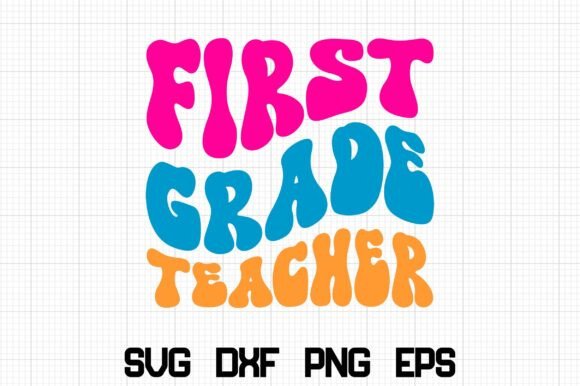
When a new design file lands in my library, I don't just look at the preview. I think about how it will live in the real world—as stitches on fabric, as a product in a shop, as a gift in someone’s hands. The First Grade Teacher Retro SVG immediately struck me as one of those designs with a very specific, and very charming, purpose. It’s not a generic graphic; it’s a mood.
The Immediate Charm of a Retro Classroom
Your first impression is pure nostalgia. The layout and shapes evoke that warm, slightly whimsical aesthetic of a mid-century classroom. It’s friendly and authoritative in equal measure, which is exactly the personality you want for a teacher-themed product. The detail level is thoughtful—it’s graphic enough to translate cleanly into embroidery stitches without losing its character. This isn't an overly simplified clipart; it has a visual personality that suggests craftsmanship. I could instantly picture it on a canvas tote bag or the front of a soft sweatshirt, something a teacher would use daily and feel proud of.
Where This Design Finds Its Perfect Home
Let’s walk through a real scenario. I was preparing a custom gift for a friend retiring from teaching after thirty years. I wanted something personal, durable, and celebratory. An embroidered patch for a denim jacket was the plan. The First Grade Teacher Retro SVG was a front-runner because its retro feel matched her career era perfectly. The design’s composition—with its central focus and balanced elements—means it scales beautifully. I considered it for a large, statement patch, but also for a more subtle accent on a pillow cover or a kitchen towel for her home.
This design excels in personalized gift territory. Think baby items for the teacher-mom, custom aprons, holiday gifts for the classroom aide, or boutique merchandise for a small shop specializing in educator appreciation. For Etsy sellers and craft business owners, this file is a ready-made asset for creating whole product lines: tote bags, tees, caps, and embroidered nursery decor for a teacher’s newborn. The retro angle adds value; it’s not just a text label, it’s a themed piece of art that resonates emotionally.
Application Notes for Embroidery Success
In practical embroidery situations, clarity is key. When stitching this, pay close attention to the smaller details and any tighter corners. On fabrics like fleece or textured canvas for a tote bag, using a firm stabilizer is crucial to maintain the design’s crisp shape. For apparel decoration on stretchy fabrics like t-shirts, consider a lighter fill stitch density to prevent puckering. The design’s inherent graphic strength means it will hold up well on both light and dark backgrounds, but always test your thread color choices for contrast. A black-and-white digital mockup is a great first step to see how the shapes read without color.
When to Approach with Care
While versatile, some applications demand extra planning. Embroidering this onto a curved surface like a cap requires checking how the design’s wider elements will distort at the seams—sometimes a slight size reduction works better. If you’re thinking of very small hoop sizes for delicate items, inspect the design’s finest lines in your software first to ensure they won’t vanish into a single running stitch. On thin fabrics intended for frequent washing, like linen tea towels, a dense satin stitch fill might be too heavy; adapting the stitch types can preserve the look while ensuring longevity.
The provided files—EPS and DXF—are a boon for compatibility with various software and machines, which is essential for professional workflow. Remember, this evaluation is based on the visual design and typical use. For any specific embroidery project, you must confirm the exact stitch count, recommended hoop size, and machine compatibility from your embroidery software or the file provider before stitching.
The Impact on Your Product and Your Customer
Using a design with this much inherent character does more than decorate a product; it elevates it. The finished embroidered patch or sweatshirt feels considered and specialized. That builds customer trust and enhances the perceived value of your handmade product. For a creative entrepreneur, it supports brand consistency if you cater to the education or nostalgia market. The giftability factor is high—it feels unique, not mass-produced.
From a commercial perspective, for those selling finished items or digital embroidery files, the clear, thematic focus makes marketing straightforward. It speaks directly to a beloved profession. Always, and I stress this, review the licensing terms for any design before selling finished items to ensure your commercial use is covered.
A Designer's Final Practical Checklist
Before you load this file and start stitching for a client or your shop, run through this quick mental list:
- Test the design on scrap fabric of the same type you’ll use for the final product.
- Check thread color contrast against your actual fabric, not just a screen preview.
- Review stitch density in your software—is it appropriate for your fabric weight?
- Confirm the physical hoop size needed; does it fit your project dimensions?
- Inspect small details in the design to plan for potential stitch type adjustments.
- Use the proper stabilizer for your fabric texture to preserve every detail.
- Ask yourself: Does this design’s mood match my product’s purpose and audience?
The First Grade Teacher Retro SVG is more than a graphic; it’s a tool for creating meaningful, well-crafted products. Its success lies not just in its clean files, but in the thoughtful, retro personality woven into its lines—a personality waiting to be stitched into something real.