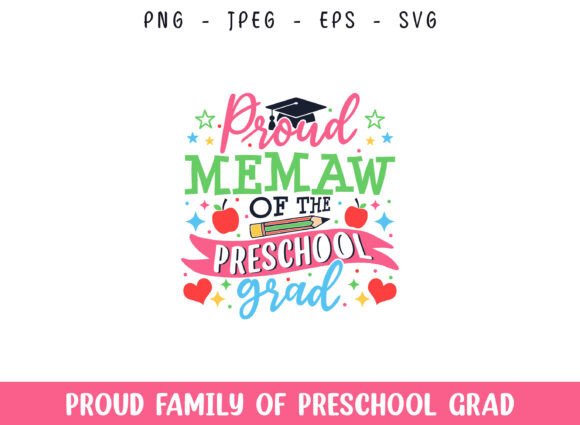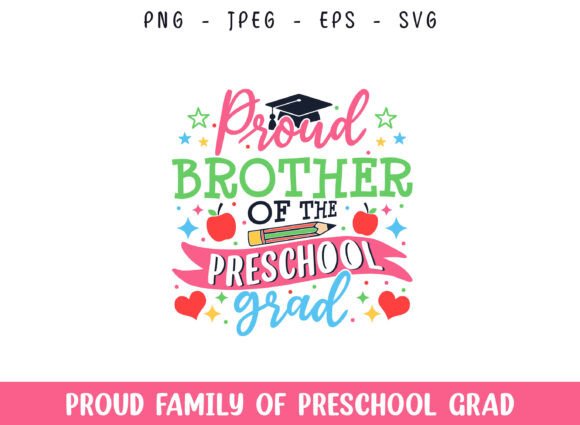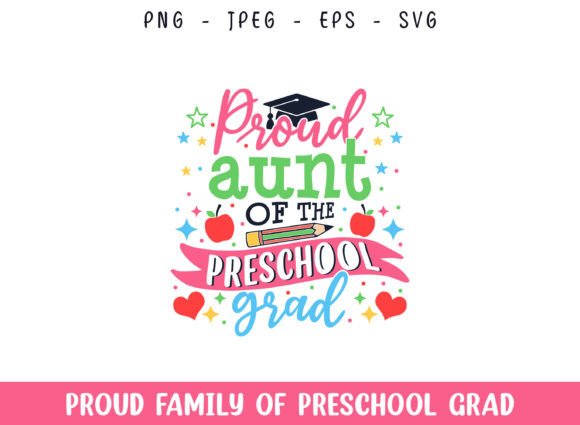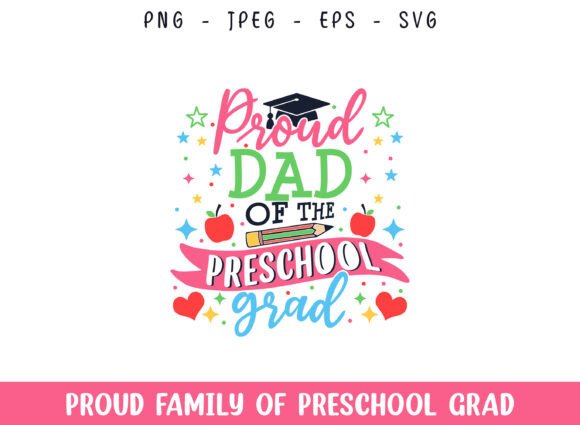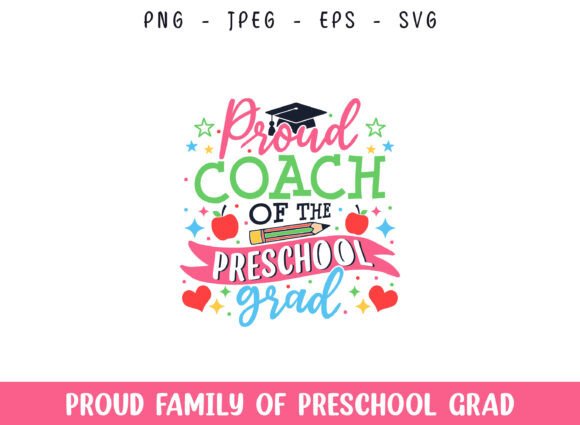
A Design Review: The Proud Coach Preschool Grad SVG
Let’s talk about embroidery with a purpose. When I’m evaluating a design like Proud Coach of the Preschool Grad SVG, I’m not just looking at a graphic on a screen. I’m imagining it stitched onto fabric, held in someone’s hands, and given as a gift. I’m thinking about the mood it creates and the practical realities of turning it into a real, sellable, or giftable product.
The First Impression: Warm, Celebratory, and Clear
Right away, this design feels like a celebration. It’s not overly fussy or dense. The “Proud Coach” theme speaks directly to a parent, a family member, or a caregiver—someone who’s been in the trenches of preschool and is now cheering on their little graduate. The layout suggests a good balance of text and possible illustrative elements, which is crucial for embroidery. It needs to be readable and emotionally resonant from a distance, say on a sweatshirt worn at a graduation picnic or embroidered on a tote bag for a teacher.
The personality is friendly and proud, without being overly cartoonish or generic. That’s a key distinction. For crafters and small business owners, a design with a clear, heartfelt theme like this connects faster with customers. People are looking for something that feels specific to their experience.
Where This Design Naturally Belongs
In my workshop, I’d instinctively lean towards using this for personalized gifts and small shop merchandise. Think beyond the obvious t-shirt. A beautifully embroidered pillow cover for a child’s room, commemorating the big step into kindergarten. A crisp kitchen towel as a gift for a preschool teacher, with the design adding a touch of handmade appreciation. A simple, clean patch that could be ironed onto a backpack or a denim jacket.
For boutique product lines or Etsy sellers, this fits perfectly into niches like “teacher appreciation,” “family milestones,” or “custom nursery decor.” It’s a design that turns a basic item—a tea towel, a canvas tote, a baby blanket—into a storytelling product. The value isn’t just in the object; it’s in the memory it represents.
Real-Life Embroidery Scenario: The Graduation Tote Bag
Imagine you’re preparing a custom embroidered tote bag as a gift for a preschool graduate’s family. You’ve chosen a sturdy, natural canvas. The Proud Coach of the Preschool Grad SVG, being made with vector shapes and resizable, allows you to scale it perfectly for the bag’s front panel. You opt for a cheerful, bright thread palette. Because the description mentions easy color change for dark or white backgrounds, you confidently test a few colorways on your software, ensuring the design will pop against the canvas.
The real test is in the stitching. On a textured fabric like canvas, the clarity of the design’s elements is paramount. You’d want to check that any smaller details, like potential decorative accents within the design, won’t get lost or become overly dense with stitches. A clean, slightly bold execution usually works best here, resulting in a product that looks professional and heartfelt—the kind of gift that makes the recipient feel seen.
Performance on Different Products and Fabrics
This design’s versatility is hinted at with mentions of t-shirts and mugs, but our embroidery world expands that further. On a soft cotton baby onesie or a child’s sweatshirt, it would become a cherished keepsake. For a craft fair product, like an embroidered apron, it adds a niche, seasonal appeal. As a digital embroidery file, it’s a solid asset for an embroidery designer’s library, useful for creating printable mockups for clients or for quick commercial embroidery projects for local preschools.
However, a practical review means noting where to proceed with caution. If the design contains very tiny lettering or intricate details, it might struggle on small hoop sizes or on stretchy fabrics like thin tees without proper stabilizer. Embroidering on curved surfaces, like a cap, requires checking the design’s proportions to ensure it doesn’t warp visually. For dark fabric, the advice about easy color change is helpful, but you must always test thread color contrast on scrap fabric first. A white or light satin stitch outline might be needed for clarity on dark backgrounds, even if the design colors are changed.
A Note on Density and Durability
For products that need frequent washing—baby items, kitchen towels, apparel—you must consider stitch density. A design with too many dense fill stitch areas can become stiff and uncomfortable on lightweight fabrics. I’d recommend reviewing the stitch density in your embroidery software before committing to a final product. The goal is a design that looks clean after many washes, maintaining its appeal and the customer’s trust in your handmade product.
The Impact on Your Craft Business
Using a well-conceived design like this affects more than just the stitch. It boosts the visual appeal of your product line, offering customers a specific emotion they want to purchase. It aids in brand consistency for a small shop focusing on family-centric gifts. The professionalism of a clean, well-embroidered design with a clear theme increases buyer engagement—they understand what it is and why they’d want it immediately.
For giftability and recognition, it’s a winner. A grandparent immediately recognizes the sentiment on a pillow cover. A teacher feels valued by a custom apron. This kind of direct emotional connection is what turns a craft into a business.
Practical Designer Notes Before You Hoop
- Always test on scrap fabric first. Use both a light and dark piece of similar material to your final product. Check for clarity and any thread tension issues.
- Review the design in black and white mockups. This helps you see the pure composition and identify any areas that might be too thin or too crowded for stitching.
- Confirm your hoop size and stabilizer choice. The design is resizable, but ensure your chosen size works comfortably within your machine’s capabilities and the fabric’s stability.
- Inspect small details. If the design includes many small separate shapes, consider how they will stitch out. Will they require excessive trims or jumps?
- Licensing is crucial. The product is listed under Crafts and Graphics. Before selling finished items or using it in commercial embroidery projects, confirm the licensing terms. Ensure your use is compliant, whether for personal gifts or for your small business merchandise.
In essence, the Proud Coach of the Preschool Grad SVG presents itself as a versatile, emotionally targeted design. Its real value is realized when you, the embroidery designer or crafter, thoughtfully apply it to the right product with the right technique. It’s not just a file; it’s a starting point for creating something that celebrates a milestone, which is, after all, one of the best reasons to pick up a hoop.