Evaluating Proud Sister of the Preschool Grad for Real Embroidery
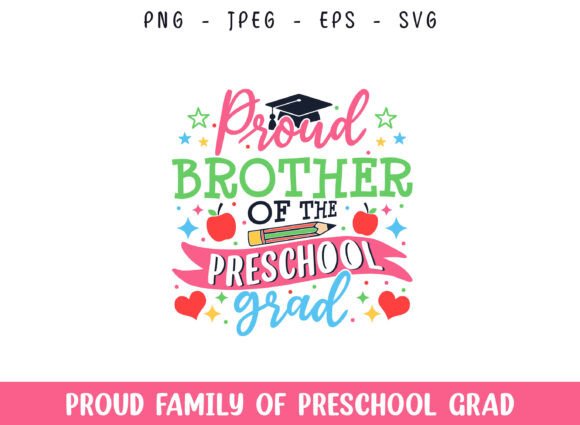
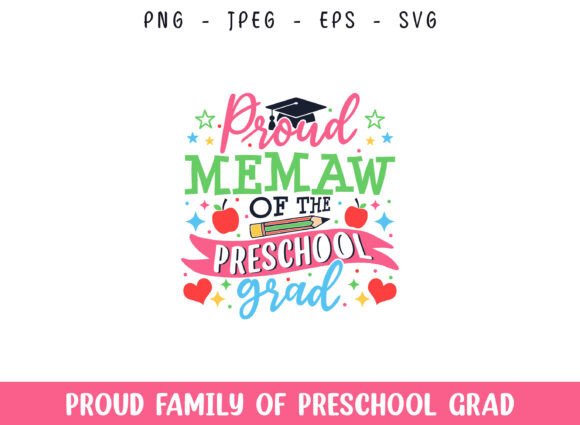
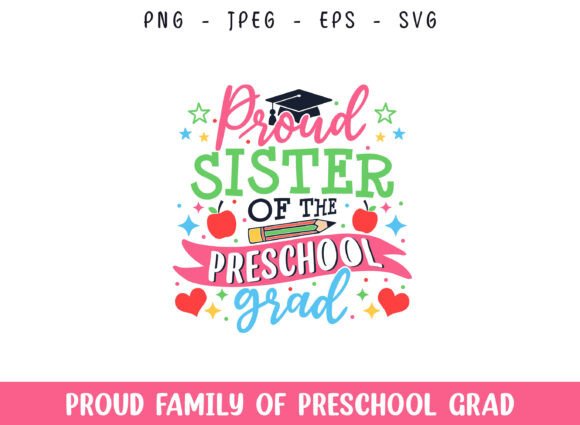
When a design like Proud Sister of the Preschool Grad lands in my library, my first thought is always about its spirit. This isn't just a graphic; it's a sentiment. The playful, celebratory theme immediately suggests a project of personal joy. It feels like a design built for memory-making, perfect for commemorating a small but significant family milestone. The layout, presumably focusing on that proud sister relationship, likely has a warmth that translates beautifully into thread. For an embroidery designer, that emotional resonance is the starting point—it tells me this design will connect with customers on a personal level before the stitch count ever comes into play.
Where This Design Finds Its Perfect Home
In practical terms, Proud Sister of the Preschool Grad naturally belongs to a specific niche of handmade products. I imagine it embroidered on a soft cotton tote bag, gifted by a family to their little graduate. It would shine on a child’s sweatshirt or a lightweight denim jacket, becoming a cherished keepsake. For small business owners, this design is ideal for personalized gifts: think custom baby blankets for a sibling, embroidered pillow covers for a nursery, or even a simple tea towel for a preschool teacher. The ‘family’ aspect mentioned in the description suggests it could anchor a whole line of boutique merchandise for craft fairs or Etsy listings centered around childhood celebrations.
Its potential for easy color change, as noted, is a huge practical advantage. This means I can confidently plan it for both a white infant romper and a dark heather gray cap. That flexibility is key for apparel decorators who need to adapt a single embroidery file across multiple product types without sacrificing visual clarity.
Navigating the Stitching Landscape: Practical Considerations
Moving from the idea to the machine, I start thinking about real-life embroidery situations. The claim of being made with vector shapes and re-sizable is promising for machine embroidery design adaptation, but it requires verification. Before running this on a client’s premium sweatshirt, I'd test it on scrap fabric first. I'd check the stitch density, especially if the design has any dense fill stitch areas that could become stiff on a soft garment like a baby’s blanket. Small details and tiny lettering—common in such thematic designs—need inspection at the intended hoop size to ensure stitching clarity.
Textured or stretchy fabrics demand extra caution. A design with fine lines might need a different stabilizer approach on a curved surface like a cap. For products destined for frequent washing, such as kitchen towels or children’s apparel, I’d assess whether the design's composition is robust enough to maintain its integrity over time. These are the quiet judgments that separate a successful finished product from a disappointing one.
The Impact on Your Craft Business and Customer Trust
Using a design like this well affects everything from visual appeal to customer trust. When embroidered with care, with strong thread color contrast against the fabric, it elevates a simple item. A crisp, clean rendition on a tote bag or apron increases the perceived value, making it feel like a professional, thoughtful gift rather than a generic craft. For Etsy sellers and creative entrepreneurs, this consistency in quality builds brand reliability. Customers looking for a “proud sister” gift are seeking emotional authenticity; a well-executed embroidery project delivers that.
It also boosts giftability and recognition. A parent or grandparent immediately understands and connects with the theme. That engagement is what turns a viewer into a buyer. For your handmade presentation, it’s about pairing the right design with the right product. Proud Sister of the Preschool Grad on a delicate pillow cover feels boutique; on a sturdy backpack patch, it feels fun and durable. Matching the design’s personality to the product’s function is a subtle but critical skill.
A Designer's Essential Pre-Stitch Checklist
My final thoughts before loading the file always revolve around a few non-technical but crucial notes. First, always confirm the licensing for the digital embroidery file if you intend to sell finished items or commercial embroidery projects. The description mentions it's a graphic, but the specifics matter for your business.
- Test the design in both black and white mockups to truly see how the shapes perform on light and dark fabric backgrounds.
- Review the overall scale. Does it feel balanced on the intended product, like the center of a tea towel or the pocket of a child’s polo?
- Consider the fabric texture. A detailed design might lose definition on a loosely woven linen compared to a smooth cotton.
- Plan your thread colors. The easy color change claim is useful, but pre-planning a palette for a dark t-shirt versus a white mug ensures the final product pops.
- Remember, this design is an asset. Its value is realized not just in the stitch, but in how it makes the recipient—and your customer—feel.
In the end, Proud Sister of the Preschool Grad strikes me as a design with a clear heart and purpose. From my point of view as someone who turns digital files into tangible goods, its success hinges on that practical pairing: placing this celebratory, family-oriented graphic onto products that are meant to hold love and memory. It’s a solid choice for crafters and small business owners looking to add genuine, personalized warmth to their offerings.