A Notebook Pencil One Line Art SVG for Real Projects
First Impression: Quiet Confidence and Modern Simplicity
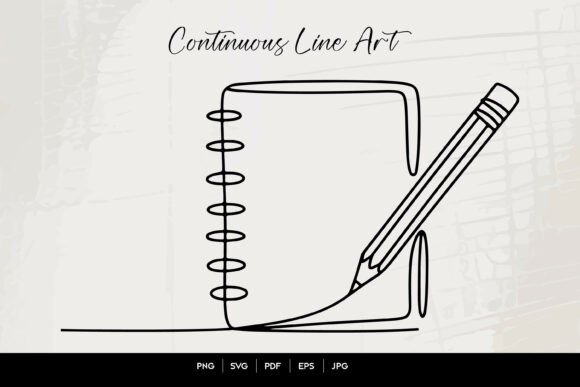
When I download an embroidery design, the first thing I do is imagine it stitched. The Notebook Pencil One Line Art SVG landed on my screen with a quiet confidence. It’s not loud or flashy; it’s modern, minimalist, and feels immediately thoughtful. The continuous, single-line style creates a sense of unity and flow—the pencil and notebook become one drawn idea. This isn’t a clipart graphic; it’s a piece of outline art with a distinct personality. It evokes creativity, learning, and a crafted, handmade touch. My designer instinct places it squarely in the realm of personalized gifts, boutique stationery-themed merchandise, and subtle branding for creative businesses.
The Natural Project Fit: Where This Design Belongs
In my work, a design’s theme dictates its best canvas. This pencil and notebook motif naturally calls for projects centered around writing, creativity, education, or thoughtful presentation. I pictured it immediately on a linen tote bag for a bookstore or a writer’s conference. It would sing on the corner of a cotton pillow cover in a cozy reading nook. For a baby item, like a muslin blanket for a little one’s “first library,” it adds a gentle, artistic touch without being overly childish. As a custom embroidered patch, it could adorn a journal cover or a laptop sleeve. The design’s simplicity also makes it a strong candidate for holiday gifts for teachers or wedding gifts for a couple who loves stories.
Performance on the Hoop: Practical Considerations
Moving from screen to stitch is the real test. A one-line drawing like this Notebook Pencil One Line Art SVG presents unique opportunities and careful points. The continuous outline means you’ll likely be looking at a running stitch or a subtle satin stitch for the line work, depending on your machine settings and desired effect. The lack of dense fill areas is a benefit—it means faster stitch times and less stitch density, which is kinder to lighter fabrics like tea towels or fine baby clothes.
Where to Use With Care
However, that elegant simplicity demands attention in certain scenarios. On very small hoop sizes, the details—like the pencil tip and the notebook corners—need to be checked. Stitching this on highly textured fabrics like a waffle-knit towel or a stretchy fabric like a t-shirt requires a good stabilizer to keep that clean line from distorting. On dark fabric, you must choose a thread color with high contrast; a white or bright yellow thread would make this design pop. Applying it to curved surfaces like caps requires careful placement so the notebook doesn’t look warped. And for products destined for frequent washing, like kitchen aprons, ensuring the stitch structure is secure is key.
Impact on Your Product and Your Customer
How a stitched design feels in hand and to the eye directly affects customer trust and product value. This design, when embroidered cleanly, offers excellent stitching clarity. It looks intentional and professional, not crowded or messy. That elevates the handmade presentation—it feels like a designed piece, not just a decoration. For an Etsy seller or small shop, using this on a product line, like a series of embroidered sweatshirts for writers, creates brand consistency. Its recognizable, universal theme boosts immediate buyer engagement; people understand and connect with it quickly. As a personalized gift, it carries a narrative—it’s thoughtful without needing words.
A Real Scenario: Embroidering a Boutique Tote
Let’s walk through a real case. I’m preparing a custom embroidered tote bag for a small stationery boutique. They want a design that reflects craft without clutter. I open the Notebook Pencil One Line Art SVG, scale it to fit nicely on the bag’s lower corner, and run a test on scrap canvas first. I check the thread color—a soft graphite gray for the pencil, a slightly darker shade for the notebook outline—against the natural bag color. The test shows the lines are clear, and the single-line approach means no awkward jumps or overlaps. Stitched, it looks elegant and perfectly on-brand. It doesn’t overpower the bag; it complements it. This is the kind of design that makes a product look curated and worth a higher price point.
Notes for the Practical Designer
Before you commit this design to a client project or your next craft fair product, here are my grounded notes. Always test the design on scrap fabric first, using the same material and stabilizer you plan for the final piece. Check thread color contrast meticulously; try it in both black and white mockups if you’re selling it as a digital product or using it in printable mockups for your shop. Inspect the small details in the file—the sharpness of the pencil point and the closure of the notebook line—to ensure they’ll stitch cleanly.
Consider your hoop placement and size. While the provided file bundle includes versatile formats like SVG and PDF, which are great for scaling, remember that embroidery is physical. Confirm your machine’s compatibility and the final hoop size you’ll need. Since the product description notes formats suitable for digital use, like PNG and JPG, this design also works beautifully as a digital embroidery file for commercial embroidery or as a design asset in your product listings.
Finally, a crucial professional step: confirm licensing before selling finished items. The product is listed under Crafts and Graphics, but always verify the terms for commercial use on your handmade products or custom apparel. This safeguards your craft business and maintains professionalism.
The Final Stitch
The Notebook Pencil One Line Art SVG is a design with a clear purpose. It’s not for every project, but for the ones where subtlety, theme, and clean execution matter. It lends a crafted, intelligent vibe to embroidery projects ranging from nursery decor to boutique merchandise. Its success hinges on your practical preparation—fabric choice, stabilization, and thoughtful placement. When handled with that care, it becomes a reliable, appealing asset in your toolkit, capable of turning a simple tote, pillow, or patch into a product with a story. That’s the real value of a well-conceived graphic in the hands of a maker.