Evaluating School Enrollment Designs for Real Embroidery Projects
When a design file like German Plotter File School Enrollment lands on my desk, my first thought isn't about the file formats in the ZIP folder. It’s about the project it will become. I’m picturing the final embroidered product—how it will feel in my hands, how it will look on fabric, and how the person receiving it will react. This mindset separates a simple graphic download from a truly useful embroidery design asset.
The First Impression: Nostalgia with a Clean, Modern Touch
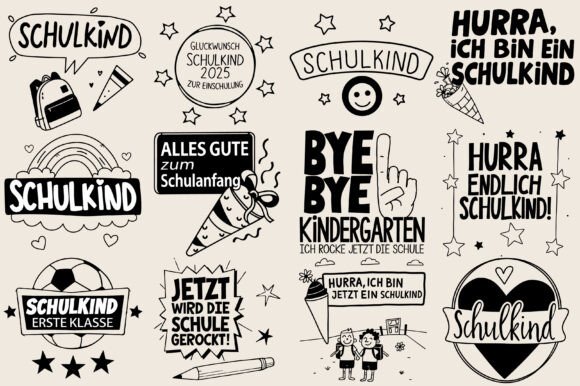
Opening this design, the immediate mood is a blend of sweet nostalgia and crisp celebration. The theme clearly speaks to a milestone: the start of a school journey. The layout and typography I envision from such a title suggest a design built for recognition, not just decoration. It feels like it belongs on something meant to be kept, a commemorative item. This isn't a casual doodle; it’s a marker of an important day. For embroidery, this translates into a project that needs clarity and a certain level of polish—think a custom keepsake for a child’s first day or a gift for a teacher.
Where This Design Finds Its Perfect Home
In practical terms, German Plotter File School Enrollment naturally calls out for projects where sentiment and presentation matter. I’m immediately imagining it on a personalized tote bag for a kindergarten student, their name perhaps integrated below the main design. A crisp white cotton apron for a preschool teacher, with the embroidery sitting proudly on the chest. A soft, high-quality baby blanket or sweatshirt, celebrating the ‘big kid’ transition. For small business owners and Etsy sellers, this is the kind of design that elevates a simple product into a meaningful gift. It has that ‘giftability’ factor that customers look for in handmade shops.
Real-Life Embroidery Performance: Thinking Beyond the Screen
How will this design perform when the needle hits the fabric? That’s the critical question. On custom apparel like sweatshirts and t-shirts, the key will be stitch density and scale. A design with celebratory sayings needs to be large enough to be legible and impactful, but not so dense that it becomes stiff on a stretchy fabric. For a tote bag or a pillow cover, you have more freedom—you can go for a fuller, more substantial stitch fill to make the design pop.
Baby clothes and caps require careful scaling. On a tiny cap curve, the small details and any intricate lettering need to be tested thoroughly on scrap fabric first. The texture of the fabric—a smooth cotton versus a ribbed knit—will dramatically affect the final look of the satin stitches or any fill stitches. For dark fabric backgrounds, thread color contrast is paramount; you might need to opt for brighter, lighter threads to maintain the design’s cheerful mood.
Caution Zones for a Smooth Embroidery Process
Every design has its careful-use zones. For a school-themed design like this, I’d be particularly mindful of very small hoop sizes. Trying to cram a potentially detailed design into a 4x4 hoop could compromise clarity. Similarly, textured fabrics like thick towels or blankets might require a heavier stabilizer to keep those celebratory sayings looking sharp. If the design includes very tiny decorative accents or corners, they might get lost or become problematic on fabrics that need frequent washing, as dense stitch areas can wear differently.
The best practice here is universal: test, test, test. Run this embroidery file on your chosen scrap fabric first. Check the stitch density your machine interprets. Inspect how the small details translate. Compare it on both light and dark background mockups, even simple black and white prints, to visualize the final contrast. This upfront work saves client disappointment later.
From Digital File to Commercial Product: Building Trust and Value
When you’re using a design like this for a craft business or commercial embroidery, its impact goes beyond the stitches. A clean, well-executed German Plotter File School Enrollment design on a finished product enhances perceived value. It shows care and professionalism. For a customer buying a personalized gift, that trust in the handmade presentation is everything. It turns a simple embroidered patch into a cherished item.
For digital product sellers and creative entrepreneurs offering this as a design asset, providing clear, realistic printable mockups of the design on products like tote bags or baby apparel can significantly boost buyer engagement. It helps your customer visualize the end use, just as I’m doing now.
Essential Notes for the Embroidery Designer
Before you commit this design to a client’s project or your small shop merchandise, make a checklist. Confirm the practicalities you cannot see from the product title alone. What is the actual hoop size requirement? Which specific file formats are included for your machine embroidery system? Most crucially, what are the licensing terms? You must confirm whether the file is cleared for personal use, commercial embroidery projects, or for reselling as part of your handmade products. This due diligence protects your business and respects the creator.
Finally, consider brand consistency if you’re a boutique or apparel decorator. Does this school enrollment design’s visual personality align with your other offerings? It might be a perfect seasonal addition to your holiday gift line or nursery decor collection. Approach it as a strategic design asset, not just a cute graphic. Its real value is realized not in the ZIP folder download, but in the thoughtful, well-prepared embroidered product you create with it.