Evaluating Your Mascot Baseball Svg for Real Embroidery Projects
A Designer's First Impression: Sporty Spirit with Room to Play
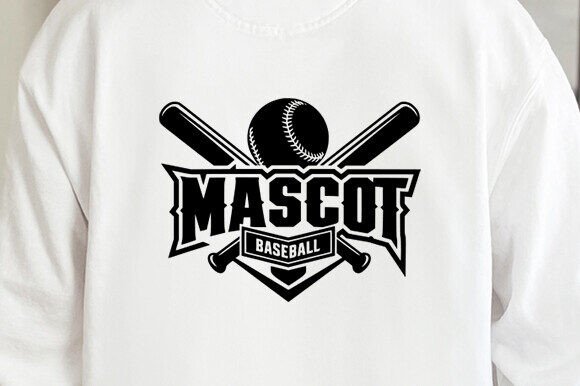
Opening the Your Mascot Baseball Svg files, the immediate mood is classic, upbeat school spirit. The design has a clean, athletic feel—it’s not overly aggressive or cartoonish, which makes it versatile. The layout tends toward a central, iconic motif, often with personalized text elements. The detail level is thoughtful; it appears optimized for clarity rather than overwhelming density. This visual personality feels friendly and celebratory, perfect for projects where you want to convey team pride without it feeling like a generic sports logo. It naturally belongs to embroidery projects meant for personalization, like custom apparel for a local team or a family reunion gift.
Where This Design Shines in Real-World Stitching
Imagine you’ve been asked to create a set of embroidered tote bags for a little league team’s volunteer coaches. Using Your Mascot Baseball Svg as the core design is a smart choice here. On a sturdy canvas tote, the design elements will stitch out with clean definition. The likely use of bold shapes and text means satin stitches for borders and fill stitches for larger areas will look crisp, creating a professional, handmade presentation that boosts the product's perceived value. This translates beautifully to other items like team sweatshirts, baby onesies for the coach’s new little fan, or even embroidered patches for caps. For an Etsy seller specializing in personalized gifts, this SVG offers a ready-made asset for creating "your mascot" baseball shirt designs, easily adaptable for printable mockups and boutique branding.
Navigating the Practicalities of Fabric and Form
While the design’s spirit is broad, its application needs a practical eye. On textured fabrics like a waffle-knit hoodie, smaller detailed corners or tiny lettering within the design might lose clarity if the stitch density isn’t adjusted. Embroidering on dark fabric requires careful thread color contrast planning—test on scrap fabric first to ensure the intended "school spirit" pop still reads well. Stretchy fabrics or curved surfaces like baseball caps demand proper stabilizer and potentially adjusting hoop size to maintain the design's integrity. For products destined for frequent washing, like kitchen towels or aprons, inspect the design's potential dense stitch areas; overly thick sections can wear differently.
Careful Uses: When to Tread Lightly
This design should be used carefully on very small hoop sizes. If you're aiming for a delicate application on a baby blanket corner, the full design might need scaling down, and you must check that small details remain stitchable. Layered garments with thin top fabrics also require attention to prevent the embroidery from puckering or feeling too heavy. The design’s appeal relies on stitching clarity, so on a dark background with low contrast thread, or on a highly curved cap surface, some of that visual appeal can diminish. Always test it in black and white mockups as well to understand its form stripped of color, which helps gauge its fundamental strength.
The Impact on Your Craft Business and Client Trust
From a commercial perspective, Your Mascot Baseball Svg affects more than just the stitch-out. For a small business owner selling handmade products, using a clean, recognizable design like this enhances brand consistency across a line of team merchandise. It boosts giftability because the personalized element feels special yet professionally executed. A customer seeing this embroidery on a pillow cover or holiday gift perceives a higher level of craftsmanship, which builds trust and buyer engagement. For digital product sellers offering the finished embroidery file itself, its adaptability for both personal and commercial projects (once licensing is confirmed) makes it a valuable design asset.
Embroidery Designer Notes for a Smooth Project
Before loading this file for a client’s order, my routine would include:
- Stitching a test sample on the exact scrap fabric I plan to use for the final product.
- Reviewing the stitch density in my software to ensure it matches my chosen fabric weight.
- Confirming the hoop size needed and comparing it to the item’s available embroidery area.
- Inspecting small details, like any intricate lettering, to see if they need simplification for my specific machine embroidery setup.
- Using proper stabilizer for the project type—no shortcut here.
- Crucially, checking the provided license terms before selling any finished items or derived digital products to ensure compliance.
These steps transform a downloaded SVG from a graphic into a reliable, high-quality embroidery project.
Final Thoughts: A Design Ready for the Hoop
Your Mascot Baseball Svg presents itself as a confident, practical choice for crafters and apparel decorators looking to capture baseball team spirit. Its strength lies in its adaptable, celebratory theme and likely clean construction, which should translate well into satin and fill stitches on the machine. It fits naturally into a ecosystem of projects—from a custom embroidered tote bag for a coach to a small shop’s line of school spirit merchandise. The key, as always, is marrying the digital file’s potential with real-world embroidery wisdom: testing, adapting, and respecting the materials. When done thoughtfully, this design can elevate a simple garment into a cherished personalized gift and a solid commercial embroidery product.