Evaluating the Cheetah Logo as a Real Embroidery Project
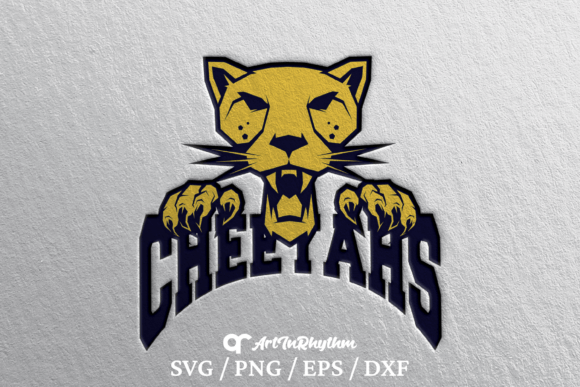
When you download an embroidery file, you're not just getting a graphic—you're investing in a potential product. That's how I approach every design before it goes into my machine. Today, I'm looking at the Cheetah Logo Sport School Mascot Svg, thinking about how it would translate from a digital file to a stitched, finished product on a client's sweatshirt or a tote bag for my small shop.
The Immediate Feel of This Cheetah Mascot Design
The first impression is strong. It’s a classic, bold school mascot logo. The shape is dynamic, with that forward-leaning pose creating a sense of motion and energy. This isn't a passive graphic; it has a competitive, spirited personality. That mood translates perfectly to embroidery for sports teams, alumni gear, or even general athletic-themed products. The detail level appears balanced—not overly complex, which is good for clean stitching, but with enough character in the face and muscle definition to avoid looking flat.
Where This Logo Finds Its Best Embroidery Home
This design naturally belongs on custom apparel. Imagine it on the left chest of a high-quality sweatshirt for a school fundraiser. It would carry authority. On a tote bag for a coach or a team mom, it becomes a functional, proud accessory. I can also see it working exceptionally well as a large, central feature on a baby blanket for a newborn whose parents are alumni, making a sentimental personalized gift. As an embroidered patch, it could be applied to caps or jackets with great results, offering versatility for crafters.
For small business merchandise, like items for a local boutique selling hometown pride products, this logo adds instant recognition. In a digital product seller's toolkit, the provided file formats mean you can create clean printable mockups for your Etsy listings or craft fair previews, showing customers exactly what they'll get.
Real-Life Scenario: The Custom Embroidered Tote
Let's walk through a real case. A client orders a custom tote bag with their old high school mascot for a reunion. I load this Cheetah Logo Sport School Mascot Svg into my software. The scale, averaging around 11 inches at the tallest point, is generous. On a standard tote, that means it can be a dominant, impressive centerpiece. I'd likely choose a bold satin stitch for the outline to define that sleek shape and use a fill stitch for the body, playing with thread color contrast—maybe a deep gold against a black fabric. The finished product feels professional, nostalgic, and valuable. It’s not just a bag; it’s a keepsake. That's the kind of customer reaction and engagement this design can support.
Careful Application: Where to Pay Attention
While the design is bold, some applications require extra thought. On curved surfaces like caps, the wide stance might need slight resizing to fit the contour without distorting. If you're working on thin or stretchy fabric, like a t-shirt, the stitch density needs to be managed to prevent puckering—a good stabilizer is non-negotiable here.
Smaller hoop sizes for tiny baby clothes or tea towels would require simplifying; some of the finer facial details might get lost if scaled down too much. On dark fabrics, the choice of thread colors becomes critical to maintain clarity. And for products destined for frequent washing, like kitchen towels or aprons, a robust stitch construction will ensure the logo holds its sharpness over time, preserving that handmade presentation and customer trust.
Impact on Your Project's Value and Appeal
Using a well-defined logo like this elevates your work. The stitching clarity from a clean vector file translates directly to a professional-looking finished product. For a craft business, that means your brand consistency—every tote, sweatshirt, or pillow cover looks expertly made. The giftability of items featuring this logo is high; it carries a specific, meaningful identity. For commercial embroidery projects, such as a batch of uniforms or retail merchandise, the recognizable mascot adds immediate value and buyer engagement.
Practical Designer Notes Before You Stitch
My standard process with any new embroidery file involves a few key steps. First, always test on scrap fabric. Use a fabric similar to your final project—test both light and dark backgrounds if you plan to offer both. This reveals how the fill stitches lay and if any small details, like the cheetah's eyes or whiskers, need adjustment.
Check your thread color palette against the design. A logo like this might benefit from a slight tweak from a standard yellow to a more athletic, vibrant gold thread. Review the stitch density in your software preview; ensure it's appropriate for your chosen fabric texture. Confirm your hoop size can accommodate the design at your desired scale, especially if you're planning a large statement piece.
Crucially, verify the licensing terms for this product. The description notes the files are for various uses, but before selling finished items or incorporating it into your own digital product assets, you must confirm it's cleared for commercial use. This protects your business and your customers.
Finally, consider creating black and white mockups to see how the design reads purely on shape and composition. This helps decide if it would work as an applique design or if satin and running stitches alone will capture its energy.
A Confident Choice for Makers
The Cheetah Logo Sport School Mascot Svg, from a designer's perspective, is a solid graphic asset. It has a clear purpose and a strong visual personality that embroidery can amplify. It fits into a real workflow for creating handmade products that feel intentional and high-quality. Whether you're an apparel decorator preparing for a sports season, a hobbyist making a personalized gift, or an Etsy seller building your inventory, this design provides a foundation you can trust to result in a compelling embroidered project. Just remember the practical steps—test, check, verify—and you'll turn this digital file into a fantastic finished product.